
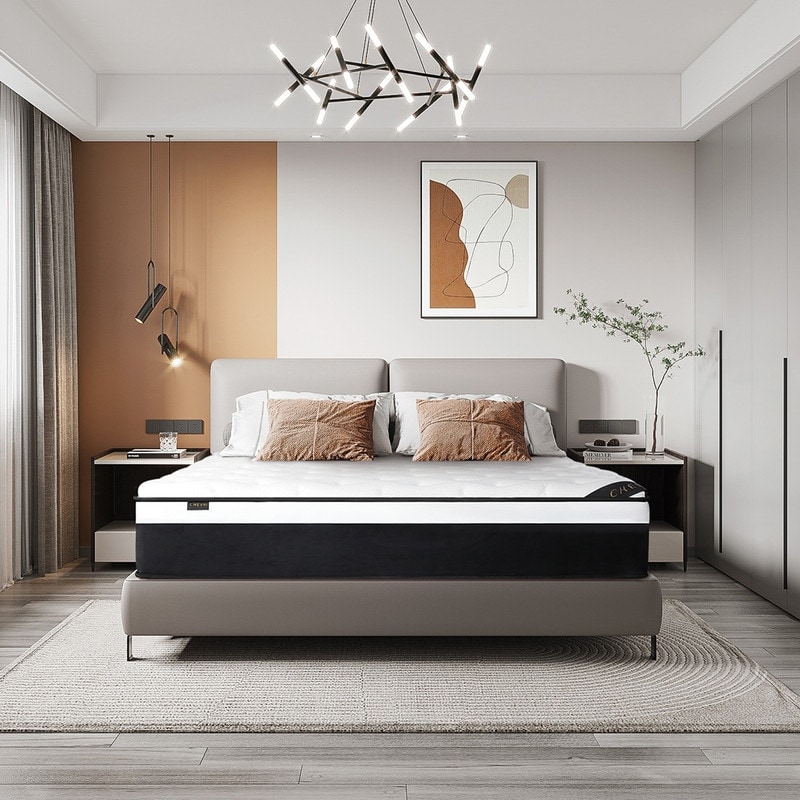
A bedroom is a working space where you rest, recover, and think. Every part of it should support your habits. A custom leather bed gives you control over the shape, the feel, and the function of the frame you sleep on. You choose the materials. You choose the structure. You shape the details to fit your needs. This guide helps you understand how to plan, design, and use a custom leather bed in a clear and practical way.
Why You Might Choose Leather
Leather holds up under daily use. It resists tearing and keeps its form with limited care. You can clean it with simple steps. It stays firm and dependable over time. Leather also changes as it ages. It gains a soft and natural look. If you want a bed that grows with you, this material helps you reach that goal.
How to Set Clear Design Goals
Start by defining what you want the bed to do. Write down how you sleep. Note how much space you need. Think about how often you sit on the edge. Think about how you get up in the morning. Strong design starts with a list that reflects your own habits.
Ask yourself a few key questions:
- Do you want a tall or low profile
- Do you want sharp or rounded corners
- Do you want wide or narrow side rails
- Do you want storage space
Simple answers guide your shape choices and help avoid guesswork.
How to Select the Right Leather
Choose leather by thickness, grain, finish, and color. Thick leather offers more strength. Full grain leather shows natural marks and gives a raw look. Corrected grain leather looks more even. Smooth finishes feel soft to the touch. Matte finishes help hide light scuffs. Dark colors hide use marks. Light colors brighten a small room. Pick a type that fits the level of care you want to give.
How to Plan the Frame
A bed frame needs to support weight in a stable way. Decide if you want a wood frame or a metal one. Wood brings warmth. Metal brings strength with a smaller profile. Once you pick the base material, choose how the leather wraps around it. A tight wrap gives a clean look. A padded wrap adds comfort when you sit or lean.
Plan the slat or support system. Many people skip this step and end up with a bed that moves or sags. You should check the spacing of slats and the type of center support that holds the middle line of the bed. Good support helps the mattress keep its shape and comfort.
How to Fit the Mattress
The mattress should be chosen early in your planning. If you already have one, measure its size and height. If you plan to buy one later, decide the type in advance. If you work with a maker that gives full control of mattress design, you can match the frame and the mattress in detail. You choose the firmness, the height, the pattern, and the fabrics. You pick the labels and the logo. You build a full system where every part works together.
This level of control helps if you run a shop or a brand. It lets you create beds that reflect your own standards. It gives you a clear working line from idea to product.
How to Coordinate Color and Texture
A custom leather bed becomes a clear focal point. Keep the rest of the room simple. Pick two or three colors for the room and stay with them. If you choose a bold leather color, use quiet tones around it. If you choose a calm leather color, you can add texture on nearby walls or rugs. Plan the tone of wood, metal, or fabric in the room so nothing feels lost or out of place.
How to Keep It in Good Shape
Leather needs steady care. Wipe dust with a dry cloth. Clean marks with a mild agent made for leather. Keep sharp items away from the edges. Put the bed where sunlight does not strike it all day. Sunlight fades leather over time. Rotate your mattress on a set schedule so the weight spreads evenly. These steps take a few minutes each month and protect your work.
How to Work with a Maker
If you want a clean and complete build, work with a team that handles every part. A group that owns a fabric plant, a foam plant, and a spring plant can build a full mattress from the inside out. It can design patterns and colors that match your frame. It can cut and sew in a way that fits your market. It can add your labels and your logo. It can train your team on how to talk about the products you sell. This gives you control over the look, the feel, and the purpose of your bed line.
Practical Steps You Can Take Now
- Measure your room. Check how much space you have for length, width, and height.
- Note the outlets and switches.
- Make a list of daily habits.
- Take photos of beds you like.
- Highlight what you want to copy.
- Highlight what you want to avoid.
- Set a budget range.
- Share these points with the maker you pick.
A custom leather bed takes planning, but the process is simple if you move with clear steps. You choose the leather. You design the frame. You match the mattress. You shape the colors. You build a bed that fits your space and supports your work and rest.