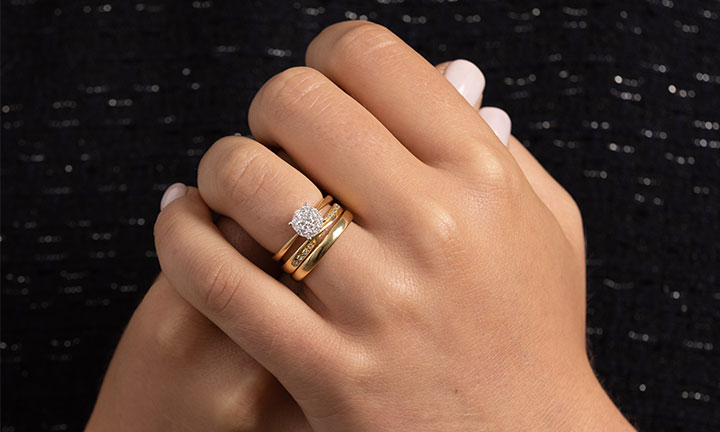

Love stories often begin with a ring, small but full of meaning. Lately, eyes around the world have turned toward German-made engagement bands, quiet yet striking in their balance of old charm and fresh ideas. Not just timeless cuts, but also bold new shapes draw people in. What stands out is how carefully each piece is made – precision meeting beauty without trying too hard. Couples keep finding something real there: well-built symbols that feel personal.
Anyone looking for an engagement rings germany faces choices shaped by culture, cost, and changing values. Local tastes mix with global influences when it comes to styles people pick. Price depends on many things – material, craftsmanship, even where you shop. More buyers now look beyond mined stones, drawn to newer options such as lab created diamonds from Hong Kong. These shifts reflect deeper changes in what feels right to different generations. The way people decide has become less about tradition, more about personal meaning.
German Craftsmanship and Design Choices
What catches attention about engagement rings in Germany is the care put into making them. Not just pretty to look at, they’re built to last, thanks to precise handwork by local makers. Across cities like Berlin, Frankfurt, and Hamburg, small shops blend old methods with new ideas. Each ring comes from hands trained to value patience over speed.
Simple lines meet quiet grace in what Germans often pick for engagement rings. Solitaire styles stand out, just like three-diamond arrangements and soft halos that don’t shout. Yet more people lately reach for one-of-a-kind designs – rings shaped by personal journeys rather than trends. Bands made of palladium or reclaimed gold show up more too, hinting at deeper care behind buying choices.
Pricing Factors and Market Considerations
Not every ring costs the same across Germany – price shifts based on what it’s made of, how clear the stone looks, who makes it. Big names tend to charge more, sure, yet plenty of choices exist without draining your wallet, particularly if you look into modern picks like lab grown diamond hk, shining just like mined ones but easier on the budget.
One thing stands out when buying an engagement ring in Germany – people look beyond just the stone. The design detail matters, so does how it’s made, along with what extras might add up. Lately, more pairs care where things come from; clean origins count. Rings tied to fair practices or grown in labs now sit higher on their list.
Laboratory Created Diamonds Gain Popularity
Not far off, choices about where gems come from are shifting how people buy jewelry across the globe – Germany fits right into this change. Couples looking to lower their footprint now lean toward lab made stones, like those labeled lab grown diamond hk, just as radiant as traditional ones. Though born in controlled settings, these crystals match natural diamonds down to the atom, tested thoroughly before leaving facilities. With clear records tracking each step, buyers get proof of origin, matching what matters to them ethically.
Lab-created diamonds draw German shoppers not just because they’re ethical. A smaller price tag plays a big role too, usually sitting 20 to 40 percent below natural stones that match in look and size. Choosing one means room to explore bolder designs while staying within limits. Across the country, jewelers now display these alternatives more openly, adding verified documents and clear breakdowns so buyers feel certain about what they are getting.
Tips For Buying Engagement Rings In Germany
A nice surprise waits when you buy an engagement ring in Germany, especially with clear plans and homework done. Think ahead, look around before deciding what feels right:
- Start by setting a clear spending limit before looking at rings. Think about what matters – metal choice might matter more than big stones. A detailed design can raise costs fast, so keep that in mind early. Price shifts quickly when mixing platinum with intricate patterns. Small diamonds may cost less, but layout details add up. Your number one rule? Stick to the amount you set ahead of time.
- A closer look at diamond quality begins with the basics – how it’s cut, its tint level, clearness inside, how much it weighs. When checking lab made stones, like those labeled lab grown diamond hk, the scoring works just the same way. Comparing them side by side becomes easier once you know what each mark means. Confidence comes not from flashy terms but from knowing exactly what shows up in reports.
- Start somewhere different every time – maybe a quiet shop in a village, perhaps a sleek display behind glass in Berlin. Choices stretch across the country, each one shaped by what you like, how much you spend. Some shine bright, others stay low-key, yet both fit just right depending on the moment.
- One way to know what you’re getting? Ask for proof. A trustworthy report should come with any stone, natural or created in a lab. That document checks both realness and grade. Without it, there’s no clear answer about what lies beneath the sparkle.
- A touch of personal design stands out – rings made just for someone often include words carved into the band or blends of different metals, choices gaining ground across Germany.
A fresh look at choices helps match beauty, values, and price without rushing. What matters most often shows up when pace slows down.
Popular Regions and Retail Experiences
Much like quiet streets hiding bright windows, cities such as Munich, Cologne, and Düsseldorf hold pockets where jewelry shines behind glass. Here, ring seekers wander through options shaped by time – simple solitaires stand beside intricate halos, each set with tiny stones glowing under light. While some favor clean lines, others lean into sparkle, drawn to patterns that wrap bands in detail. Choices stretch wide, yet every piece fits within moments meant to last.
Out past the big cities, folks in Germany are buying jewelry just fine online. A bunch of local jewelers toss up sharp 3D views, let you tweak designs, then walk you through choices – handy if you live far off. Jump on certain sites, spot stones made in labs instead of mines, say yes to cleaner options without losing that classic sparkle. These digital shops keep things real, offering looks equal to mined gems but with less weight on your conscience.
Conclusion
A ring might mean tradition, yet many now choose designs that quietly break form – simple lines meet bold details through choices shaped by taste, not trends. Some favor gold worked by hand in small workshops across Bavaria, where steady hands shape bands meant to last. Others look toward stones made under electric light instead of deep earth, their sparkle unchanged but origin far different than before. Values shift slowly; buying decisions follow new paths even when love stays familiar. One thing holds: what matters most is seen less in price, more in meaning.
Finding the right ring might start with a quiet idea, yet grow into something deeply personal. Sometimes it’s about tradition, other times a completely new path shaped by what matters to you both. Choices today go beyond diamonds alone – metals, origins, craftsmanship matter just as much. Though trends shift across cities like Berlin or Munich, what stays constant is how each detail can echo who you are. A well-thought decision often becomes part of daily life, worn close, seen often, felt always. What begins as a purchase may end up speaking volumes without words.