
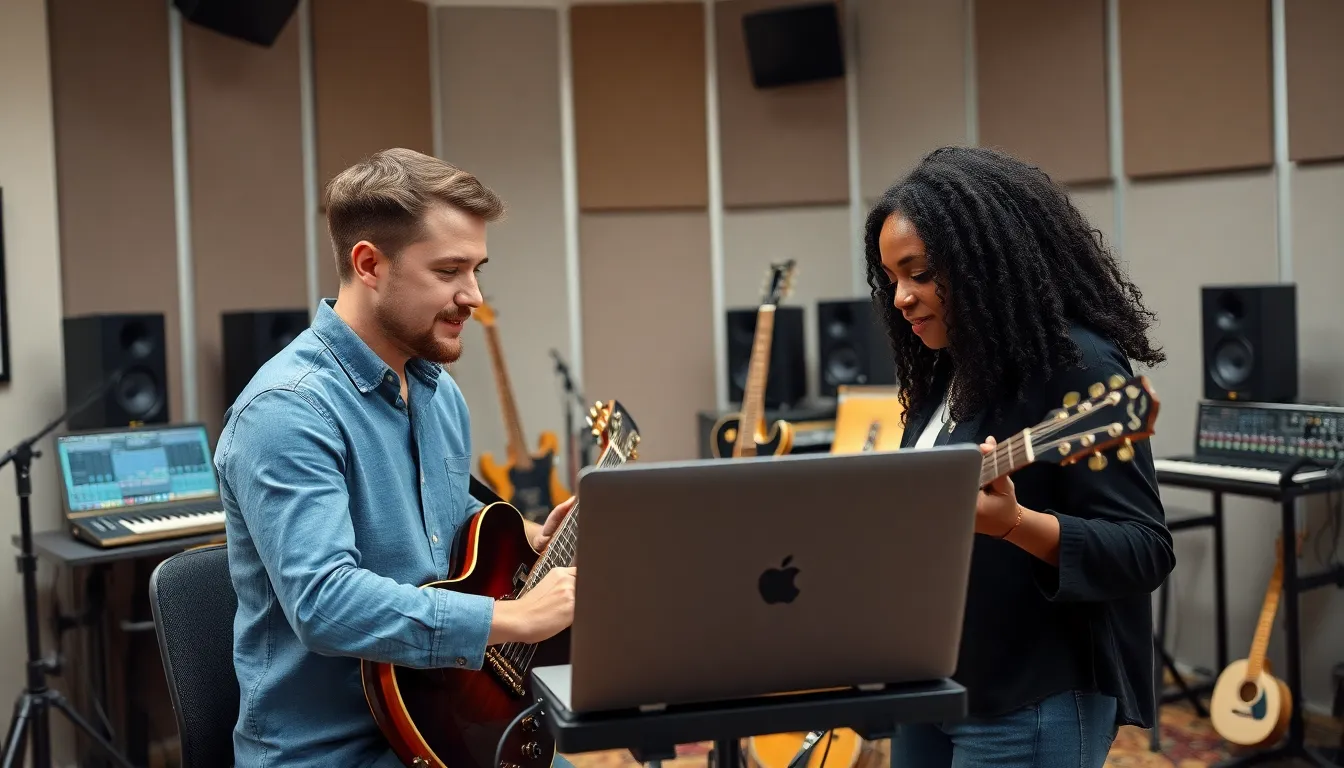
These days more people can make music because new tools let anyone shape sounds on a computer. should i use endbugflow software for making music. Instead of asking if it fits your needs, maybe ask how it changes the way you work. It lets users build songs, adjust levels, polish finishes – all inside one space. Some find it smooth while others notice odd quirks after long sessions. Whether you sketch ideas fast or fine tune for hours, it might stick around. Not every tool works for everyone but this one shows up often in chats among producers.
Endbugflow Software Explained?
Music gets built inside Endbugflow, a program shaped like a studio for sound. Instead of stacking complexity, it clears paths through tasks so creation moves smoothly. Professionals find depth within – hidden options and strong systems sit ready behind calm screens. New users step in easily because buttons line up plainly across clean views. Power stays present, just not loud about it. Working here feels light, though what you make can grow heavy with detail. The layout listens to how people actually reach and click when ideas strike fast.
Starting off, the program handles MIDI signals along with several audio layers at once. It comes packed with various digital instruments inside. A broad collection of sound effects and pre-recorded clips is built right in too. People often say moving around ideas feels fast here. Trying out new sonic directions tends to go smoothly. Because of this rhythm-based styles find a natural fit. Electronic beats thrive under these conditions. So do layered vocal arrangements common in today’s hits.
Endbugflow software key features
Built different, Endbugflow changes how you shape sound. What makes it click? Tools that respond like they’re thinking. One moment you’re adjusting levels, then suddenly the rhythm shifts on its own. Instead of stacking effects, it weaves them into motion. Picture sliders that learn your moves. Not every app guesses right – but this one watches closely. You tweak once, later it remembers. Rather than menus inside menus, everything appears when needed. It feels less like programming, more like talking to an instrument. Silence becomes part of the loop. Timing bends without breaking. Even mistakes turn useful. The interface stays quiet until touched – then comes alive
- Right away, things look simple on screen. Endbugflow keeps clutter out of sight so you can move through tasks fast. New visitors often find their way within seconds. Getting started feels natural, almost like it guides itself.
- A broad collection of tools lives inside the software – synths sit beside drum units, pianos blend with string sections. Experimentation opens up when electronic pulses meet classical tones. One sound leads into another, shifting mood through texture. Genres blur where different timbres connect. Options stretch wide without adding clutter.
- A different path each time – Endbugflow shifts with how you work, fitting into straight sequences or repeating patterns just the same. It moves easily between stage use and recording sessions because of that loose structure. Not locked into one way, it follows your lead without pushing back.
- Sound shaping gets easier when tools work quietly behind the scenes. Built-in EQs adjust tones without drawing attention. Compression slips in to balance levels where needed. Effects appear just enough to add depth. Every piece fits together without standing out. The result feels clean even if you never touch a setting.
- Working together gets simpler when people in different places can join on one project. Certain builds let several folks tweak sounds at once from anywhere on Earth. Musicians pair up smoothly without needing the same room. Remote teamwork fits how music makers connect these days.
People who want a tool to help track software issues?
Maybe you’re wondering if Endbugflow fits your music setup. Think about how much you’ve done so far, what kind of tracks you aim to build. Your past work might shape whether this tool helps or just sits there.
- Fresh off the starting line? This program opens up without fuss, pulling new users right into creating tunes fast. Its layout feels natural. Learning each tool happens almost by accident. Jumping in takes little effort when everything just makes sense at first glance.
- Finding their stride, musicians who’ve played a while notice how freely they can move through different sounds and tools here. Instead of being stuck, they dig into layered pieces because options open up. What happens next? They test ideas that felt out of reach before.
- Even experienced creators often stick with familiar tools such as Ableton Live or FL Studio. Yet Endbugflow packs strong capabilities that hold up under serious workloads. Its strengths shine particularly when shaping electronic sounds. High-level results are possible without switching platforms.
Endbugflow software benefits
Finding the perfect DAW might feel overwhelming, yet certain things set Endbugflow apart. What stands out isn’t just features – it’s how they come together without friction
- What sets Endbugflow apart is how it stays approachable without losing power. While many premium DAWs overwhelm beginners, this one unfolds naturally. Instead of drowning users in complexity, it offers clarity from the start. Even with fewer barriers, there remains plenty beneath the surface. The design welcomes newcomers but doesn’t push experts away.
- A price tag that fits? This one lines up well against similar high-end music tools. Most options cost about the same – this sits right in step.
- Out of left field, its process opens doors to wild ideas, so testing strange rhythms feels natural. A different path emerges when rules take a backseat, letting sound wander where it wants.
- Built to work anywhere, Endbugflow keeps going whether you’re using Windows, Mac, or Linux. Musicians moving from one machine to another won’t miss a beat.
Potential Drawbacks to Consider
Built-in flaws live inside every program, so knowing what holds back Endbugflow matters when choosing it to create tunes. Though helpful, the tool doesn’t cover every need a musician might have
- A handful of folks hang around Endbugflow’s corners, nowhere near the crowds seen in veteran DAW spaces. Help videos pop up less often because fewer people share their fixes. Figuring out glitches might take longer without a swarm of users posting workarounds. Forums stay quiet, so answers trickle in slowly when they come at all.
- Only a few outside tools work well. Not every VST runs smoothly, some say. That can block particular ways of making music. A handful of extra features might not load at all.
- Older machines might struggle when using Endbugflow, even though it works best on newer ones. Lag or sudden stops can happen if the tasks get too heavy. This tends to show up most when things become complicated.
Endbugflow Software How to Use It Well
Beyond trying Endbugflow, consider these pointers to get more out of it
- Start by checking out the built-in guides. These step-by-step walkthroughs help you learn core features while trying real-world workflows. Each lesson opens right inside the app, so there is no need to switch windows or search elsewhere. Learning happens hands-on, piece by piece, without extra setup.
- A fresh start might come from a ready-made layout. These blueprints help you move faster while sparking different ways to build your work.
- Start with loops from the built-in collection to shape your ideas fast. Layer them one after another, using what fits. Try different sounds stacked together to see how they blend. Build each piece step by step without starting empty-handed.
- A solid setup starts with checking if your machine fits what the program needs. For clearer audio, try adding a separate sound device instead of relying on built-ins.
- Browsing online hangouts? Endbugflow keeps a few spots alive where folks swap tricks, beats, and methods – smaller crowd compared to bulkier tools, sure, yet active enough. Chats hum quietly, filled with those who tinker daily.
Final Thoughts
Maybe music made with Endbugflow suits you. It really comes down to what you want from a tool like this. New creators, or those building skills, often find it works well – simple to learn yet full of options that spark ideas. People used to heavy plugin setups might need time to shift gears – but even then, solid results are possible. What matters shows up when you start creating.
Trying Endbugflow yourself is really how you’ll see if it works with your routine. Some folks discover they make tunes faster because it’s straightforward yet open-ended, which stands out when so many tools feel crowded and rigid now.