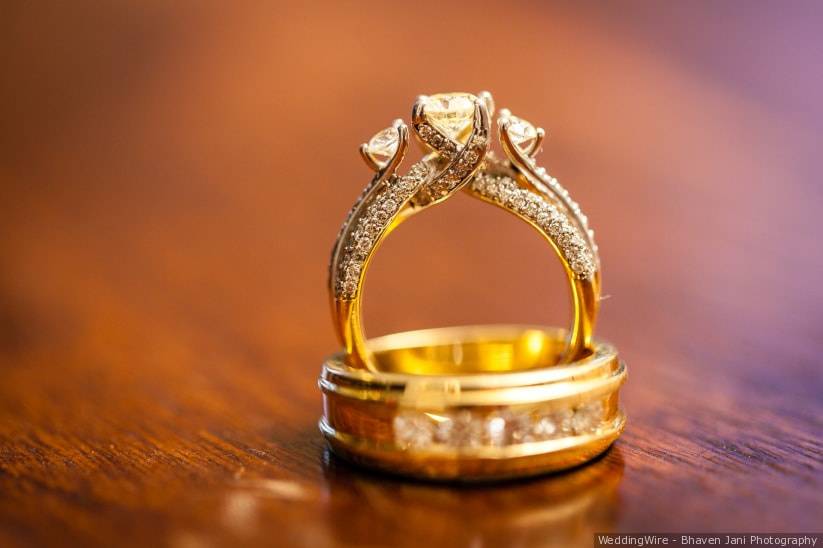

Diamonds have long been symbols of elegance, love, and luxury. Traditionally, these precious gems were mined from the earth, often at significant environmental and ethical costs. However, recent innovations in gemology have introduced a new class of diamonds: lab grown diamonds. These gems are chemically, physically, and optically identical to their mined counterparts, offering a sustainable and accessible alternative without compromising beauty or quality.
In this article, we explore what lab diamonds are, how they are created, their benefits, and why they are becoming increasingly popular among consumers worldwide.
What Are Lab Grown Diamonds?
Lab diamonds, also referred to as synthetic or cultured diamonds, are real diamonds created in controlled laboratory environments. Unlike imitation gemstones such as cubic zirconia or moissanite, lab-grown diamonds share the same crystal structure, hardness, and optical properties as natural diamonds. Essentially, a lab diamond is indistinguishable from a mined diamond without specialized equipment.
These gems are composed entirely of carbon atoms arranged in a crystal lattice, giving them the same sparkle, brilliance, and durability as their naturally occurring counterparts. This makes them suitable for all types of jewelry, from engagement rings to high-end fashion pieces.
How Are Lab Diamonds Made?
There are two primary methods used to create lab grown diamonds: High Pressure High Temperature (HPHT) and Chemical Vapor Deposition (CVD).
- High Pressure High Temperature (HPHT): This technique mimics the natural conditions under which diamonds form in the earth. Carbon is subjected to extremely high pressure and temperature, causing it to crystallize into a diamond. HPHT diamonds are often used for industrial purposes but are increasingly common in fine jewelry.
- Chemical Vapor Deposition (CVD): In the CVD process, a carbon-rich gas mixture is introduced into a vacuum chamber. By carefully controlling temperature and pressure, carbon atoms settle onto a diamond seed, growing layer by layer into a gem-quality diamond. This method allows for precise control over the diamond’s color and size, making it a popular choice for jewelry-grade stones.
Both techniques produce diamonds that are virtually identical to mined diamonds, ensuring the same brilliance and durability while offering a smaller environmental footprint.
Advantages of Lab Grown Diamonds
One of the main appeals of lab-grown diamonds is their sustainability. Traditional diamond mining can have significant environmental impacts, including deforestation, water pollution, and carbon emissions. Lab diamonds, by contrast, require far fewer resources and create minimal ecological disruption.
Another advantage is ethical transparency. The mining of natural diamonds has historically been associated with labor exploitation and conflict zones. Lab grown diamonds eliminate these concerns, providing consumers with a traceable, conflict-free gem.
Cost is another compelling factor. Lab diamond typically cost 20–40% less than comparable mined diamonds, allowing buyers to afford larger or higher-quality stones without compromising their budget. Additionally, because these diamonds can be grown to specific specifications, there is greater flexibility in color, clarity, and carat weight.
Misconceptions About Lab Diamonds
Despite their many benefits, some consumers remain hesitant about lab grown diamonds due to misconceptions. One common myth is that they are “fake” or inferior. In reality, these diamonds are chemically and structurally identical to mined stones and offer the same long-term durability.
Another misconception is that lab diamonds are less valuable. While resale value can differ from natural diamonds due to market perceptions, their affordability and ethical advantages make them highly desirable, especially for consumers prioritizing sustainability and transparency.
Lab Diamonds in Modern Jewelry
The rise of lab-grown diamonds has transformed the jewelry industry. Designers and consumers are embracing them for their versatility and accessibility. Engagement rings featuring lab diamonds are increasingly popular, offering couples a sustainable and affordable alternative to traditional mined diamonds.
In addition, lab diamonds are celebrated for their innovative designs. Jewelry makers can experiment with unconventional cuts, colors, and sizes that might be rare or prohibitively expensive in mined diamonds. As consumer awareness grows, lab diamonds are no longer seen as a novelty but as a mainstream choice for timeless luxury.
The Future of Lab Grown Diamonds
The demand for lab grown diamonds is expected to continue growing as sustainability becomes a higher priority for consumers. Advances in technology are making production more efficient, reducing costs, and expanding possibilities for custom designs.
Moreover, the ethical and environmental appeal of lab diamonds aligns with a broader shift toward conscious consumerism. As more people seek transparency and responsibility in their purchases, lab-grown gems are positioned to redefine luxury in the 21st century.
Conclusion
Lab diamonds represent a perfect blend of science, beauty, and sustainability. They offer all the sparkle and durability of natural diamonds while addressing ethical and environmental concerns. With the ability to create high-quality stones in a controlled and responsible way, lab grown diamonds are no longer just an alternative—they are becoming the new standard in fine jewelry.
For those looking to invest in a diamond that reflects both timeless elegance and modern values, lab-grown diamonds provide an impressive and conscientious choice.