
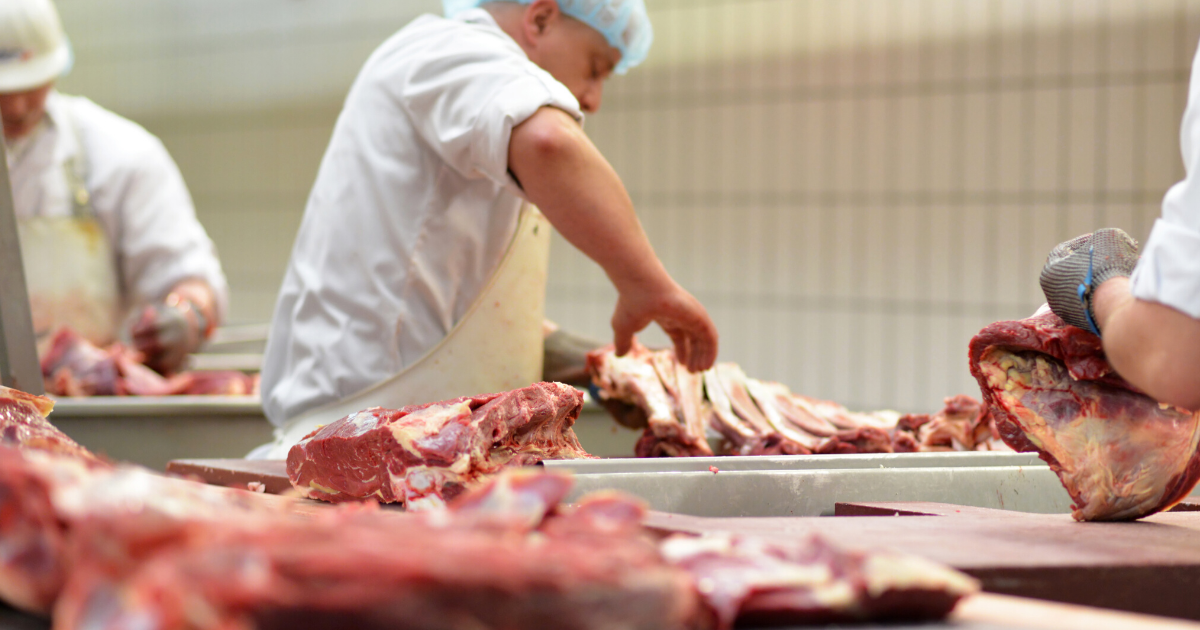
In an age where food systems are becoming increasingly industrialized, many Canadians are turning to a more grounded, transparent, and ethical alternative: the local butcher. Far from being a relic of the past, local butchers are experiencing a revival as consumers demand high-quality, organic meat sourced from trusted farms. These independent shops provide more than just cuts of beef or pork—they offer a connection to the land, the farmer, and a more sustainable way of living.
The Rise of Organic Consciousness
Over the last decade, awareness around food quality, sustainability, and animal welfare has grown significantly in Canada. People are asking deeper questions: Where is this meat coming from? How was the animal raised? What was it fed? Organic meat—free from hormones, antibiotics, and genetically modified organisms—is becoming the gold standard for health-conscious and ethically minded consumers. Many now turn to trusted sources like butcherbox.ca
Yet, in large grocery chains, the label “organic” can sometimes feel vague or corporate. This is where your local butcher stands apart. These neighborhood experts often have direct relationships with nearby organic farms. Many visit these farms themselves, ensuring the animals are pasture-raised, grass-fed, and treated humanely. That transparency builds trust that no supermarket can replicate.
More Than a Meat Counter
A local butcher shop is not just a retail space—it’s an educational experience. Walk into any reputable butcher shop in Canada, and you’ll find someone behind the counter who can tell you where the meat came from, how the animal was raised, and how best to cook it. This level of knowledge is rare in larger stores.
Butchers like those at The Healthy Butcher in Toronto or Farm & Field Butchers in British Columbia take pride in whole-animal butchery. This practice minimizes waste and supports nose-to-tail eating, a more sustainable way to consume meat. Rather than offering only the most popular cuts, these shops encourage customers to try lesser-known parts like oxtail, liver, or beef cheeks—often more affordable and just as delicious.
Supporting Local Economies and Farmers
Every purchase at a local butcher contributes directly to your regional economy. Most local butchers source their products from small, independent farms within the province or even the same county. This shortens the supply chain, reducing the environmental impact of long-distance transportation and supporting Canadian farmers who practice organic and regenerative agriculture.
For example, Vibrant Farms in Ontario supplies grass-fed beef and organic chicken to butchers and direct customers, focusing on soil health and humane treatment. In Alberta, farms like Lambtastic Farms raise grass-fed lamb without synthetic inputs, often collaborating with local meat shops in Calgary and Edmonton.
These relationships create a food web where everyone benefits: the farmer gets fair compensation, the butcher maintains a high-quality product, and the consumer gets clean, ethical meat.
The Ethical Choice
Factory-farmed meat often involves cramped, inhumane conditions, overuse of antibiotics, and questionable feed sources. By contrast, the local organic meat movement emphasizes animal welfare. Animals are allowed to roam, graze, and live as naturally as possible.
Butchers are often on the front lines of this ethical movement. Shops like Cumbrae’s in Ontario or Big Lou’s Butcher Shop in Vancouver actively promote their commitment to responsible sourcing, ensuring their customers know exactly what they’re buying—and what they’re supporting.
Choosing a local butcher also allows consumers to ask important questions. Want to know if the beef was finished on grass or grain? Curious about how the chickens were processed? Your butcher can provide clear answers, helping you make informed decisions based on your values.
A More Flavorful Future
Beyond ethics and sustainability, there’s another compelling reason to shop at your local butcher: taste. Organic, pasture-raised meat has a distinct depth of flavor that’s hard to find in mass-produced options. Animals that grow naturally, eating a diverse, nutrient-rich diet, produce meat that is more marbled, tender, and flavorful.
Butchers who age their meat properly—sometimes for weeks—unlock these rich flavors even further. And because they cut meat to order, you can get exactly what you need, whether it’s a thick ribeye for grilling or finely ground lamb for a homemade kofta.
Final Thoughts
The local butcher is more than just a meat seller—they’re a steward of community, sustainability, and tradition. In a world overwhelmed by processed convenience, these shops offer something refreshingly honest: clean, organic meat with a story.
By supporting your local butcher, you’re not just buying better food—you’re investing in a food system that values health, transparency, animal welfare, and environmental responsibility. In Canada, where vast landscapes and family-run farms still shape the culture of food, the local butcher remains the truest source of organic meat—and one well worth supporting.


