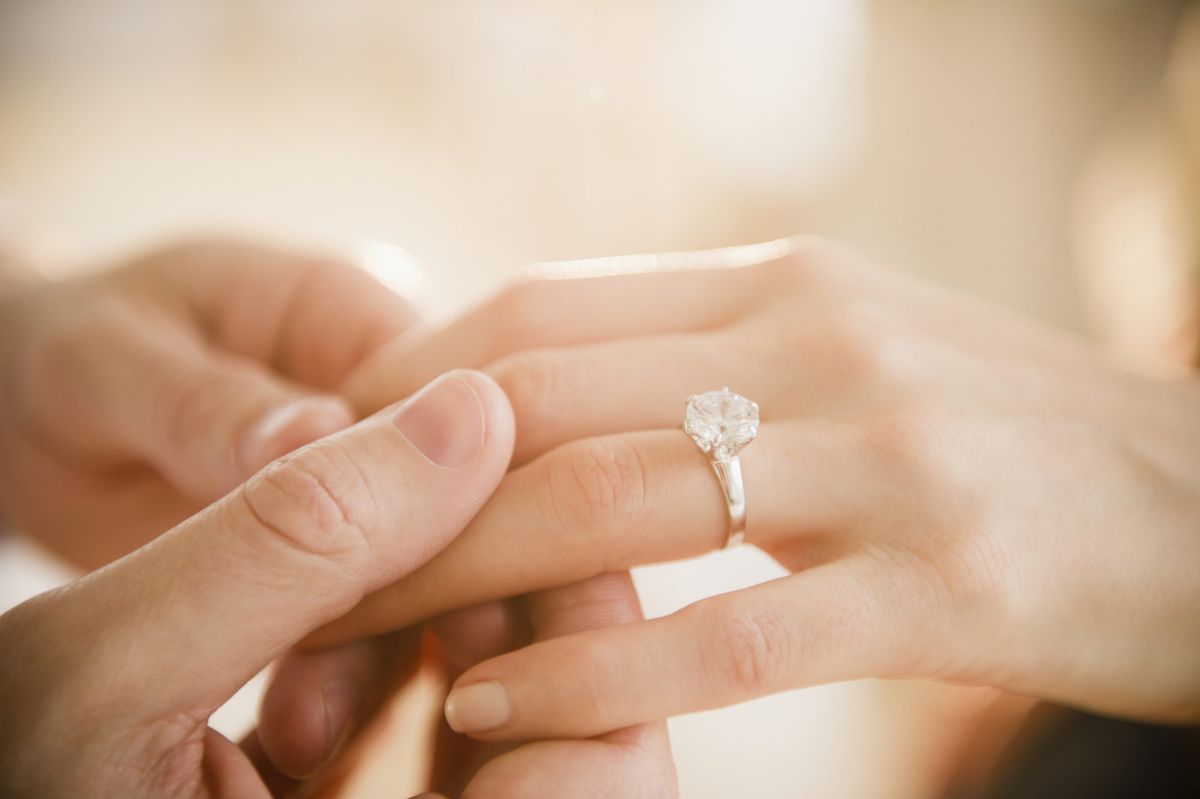

I still remember the first time I saw a lab grown diamond. It was at a small boutique launch in Sydney’s Paddington — one of those understated events where the prosecco flows freely, the music hums low, and the jewellery sparkles just enough to make everyone lean in a little closer. I’ll admit, I didn’t even realise what I was looking at. The stones glistened just like any high-end diamond — crisp, brilliant, utterly captivating.
When the designer told me they were lab grown, I actually laughed. Not out of disbelief, but surprise. “Wait, really?” I asked, half-expecting her to wink and confess it was a marketing gimmick. But no. The diamonds were real — chemically, physically, optically identical to mined diamonds — except they’d been created in a lab rather than pulled from the earth.
That night, as I walked home with the city lights flickering off wet pavements, I couldn’t stop thinking about it. If we can grow diamonds — real diamonds — what does that mean for the future of luxury, sustainability, and even love?
What Exactly Are Lab Grown Diamonds?
Let’s clear one thing up right away: lab grown diamonds aren’t “fake.” They’re not cubic zirconia or moissanite. They’re genuine diamonds, made using advanced technology that replicates the same natural process of carbon crystallisation that happens underground — just in a controlled environment.
If you’re curious about the science behind it, there’s a great explanation of how lab grown diamonds are created — but in short, it involves either High Pressure High Temperature (HPHT) or Chemical Vapour Deposition (CVD) methods. Both mimic the conditions deep within the earth’s mantle, but in a matter of weeks rather than millions of years.
The result? A stone that’s virtually indistinguishable from a mined diamond, except for its origin story.
The Shift in Luxury: Conscious Choices and Modern Values
You might have noticed it too — the luxury landscape is changing. Where once opulence was defined by rarity and excess, now it’s just as much about ethics and awareness. Today’s consumers — especially Millennials and Gen Z — want to know the story behind what they wear.
It’s not just about sparkle anymore. It’s about responsibility.
Lab grown diamond jewellery fits right into this modern narrative. It’s sustainable, traceable, and often more affordable — without compromising on quality or beauty. And for a lot of people, that’s a win-win.
Honestly, I’ve spoken with couples who’ve chosen lab grown engagement rings because they wanted a symbol of their love that didn’t come with questions about environmental damage or unfair labour. That’s something we’re hearing more often: diamonds that align with personal values, not just fashion trends.
The Environmental and Ethical Edge
Mining, as romantic as it’s often portrayed in old marketing campaigns, comes with a hefty price — not just in dollars, but in ecological impact. Traditional diamond mining can involve massive land disruption, water waste, and even complex human rights concerns in certain regions.
Lab grown diamonds, on the other hand, avoid nearly all of that. They require significantly less energy and no large-scale excavation. There’s no need for blasting through ecosystems or displacing communities.
Some argue that they’re not entirely carbon-neutral (after all, labs do require energy), but compared to traditional mining, the footprint is dramatically smaller. And as technology improves — particularly with the rise of renewable-powered diamond labs — the gap continues to shrink.
It’s one of those rare cases where technology actually allows luxury to give back a little.
The Look, the Feel, the Brilliance
If you’ve ever worn lab grown diamond jewellery, you’ll know it feels… well, exactly the same. Because it is the same. The hardness, the clarity, the fire — all identical. Gemologists can only tell the difference using specialised equipment, and even then, it’s not obvious to the naked eye.
One Melbourne jeweller told me that even trained diamond graders have moments of doubt. “Sometimes we’re triple-checking certificates because they’re that good,” he said with a grin.
And that’s part of what makes this movement so fascinating. We’re no longer talking about imitation luxury — this is genuine fine jewellery that challenges what ‘natural’ and ‘authentic’ even mean.
If you’re curious to see how beautifully designed these pieces can be, take a peek at the stunning collections of lab grown diamond jewellery available online now. You’ll find everything from delicate engagement rings to bold statement necklaces — all with that modern, guilt-free shine.
The Price Factor — But It’s Not Just About Saving Money
Yes, lab grown diamonds tend to cost less — sometimes up to 40% cheaper than mined equivalents. That’s partly because there’s no massive supply chain of miners, traders, and distributors. But interestingly, most people I’ve spoken to aren’t choosing them just for the savings.
They’re drawn to the idea — that luxury doesn’t have to come at someone else’s expense. It’s a quiet rebellion against outdated norms.
One Sydney bride I interviewed put it perfectly:
“We wanted a diamond that reflected who we are — modern, conscious, not stuck in tradition. The money we saved went into our honeymoon in Japan. So, in a way, it made our memories richer too.”
That’s the heart of it. Lab grown diamonds are shifting how we connect emotion and ethics. They remind us that beauty and conscience can sit side by side.
The Celebrity Spark and Global Trend
Of course, once celebrities started wearing them, the world paid attention. Emma Watson, Meghan Markle, and Leonardo DiCaprio (who, fun fact, actually invested in a lab diamond company) have all helped bring the trend into the spotlight.
But unlike many celebrity trends, this one’s built on something genuinely meaningful. It’s not just “what’s hot this season” — it’s a cultural shift toward sustainable elegance.
Even traditional jewellers who once dismissed the idea are now embracing it. You’ll find high-end boutiques in Sydney, Melbourne, and even Perth featuring lab grown pieces alongside their mined counterparts — proof that the market’s no longer fringe.
The Emotional Side of Change
Still, I understand why some people hesitate. There’s something deeply symbolic about “a diamond from the earth” — the idea that it’s ancient, rare, and one-of-a-kind. For generations, we’ve tied that symbolism to romance and permanence.
But maybe, just maybe, what makes a diamond meaningful isn’t where it comes from — it’s what it represents.
When a diamond is grown in a lab, it’s not stripped of magic. In fact, you could argue there’s something poetic about it — human ingenuity creating beauty, love meeting science. It’s a story for the 21st century: innovation and emotion, side by side.
I’ve met couples who love that narrative. One even engraved the inside of their ring with a tiny atom symbol — a quiet nod to the diamond’s origins in a lab.
The Future of the Jewellery Industry
Jewellery has always reflected its era — from the lavish Art Deco years to the minimalist trends of today. And lab grown diamonds, in many ways, are the perfect emblem of our time: technological, ethical, and deeply personal.
Some experts predict that within a decade, lab grown stones could make up more than half of all diamond sales worldwide. That might sound bold, but it’s not unrealistic. With demand rising, awareness spreading, and prices stabilising, the shift feels inevitable.
And here in Australia, we’re often early adopters of smart, sustainable trends. Whether it’s eco-fashion, renewable energy, or ethical food sourcing — we’re a nation that values integrity as much as innovation.
So, it’s no surprise that lab grown diamond jewellery is finding such a warm reception here.
A Final Thought — Redefining What’s “Real”
Here’s the thing: value is changing. What’s “real” isn’t just about origin anymore — it’s about intention.
Whether your diamond was formed beneath the earth or inside a chamber of glowing plasma, it’s still a symbol of love, achievement, or self-expression. The meaning doesn’t vanish because the process is different. If anything, it deepens.
So next time someone asks if your diamond is “real,” you can smile and say —
“Yes. Completely real. Just made in a smarter way.”