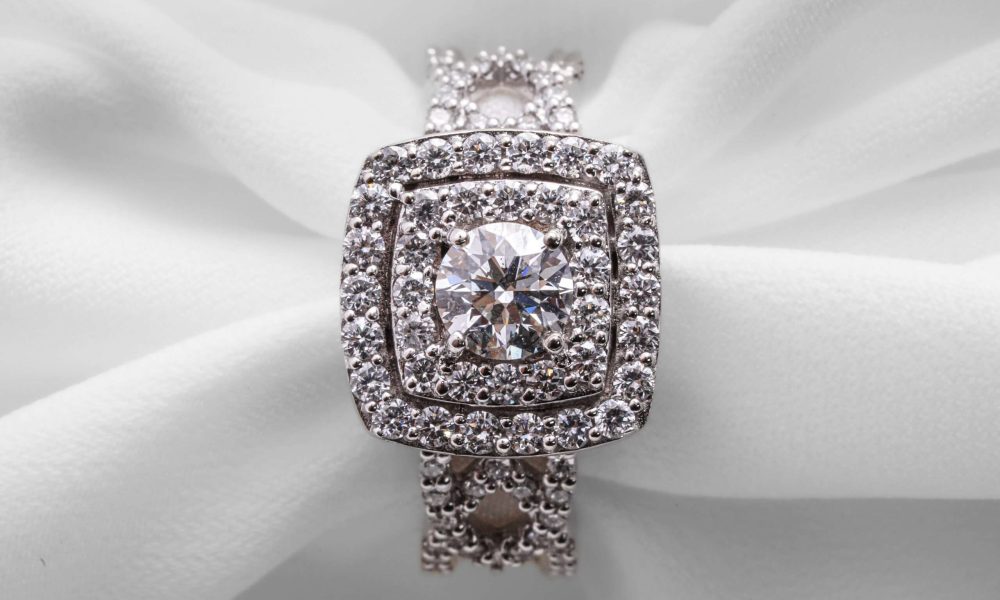

Why Diamond Certification Is the Foundation of Every Smart Purchase
Buying a diamond is one of the most significant purchases most people will ever make. Whether it is an engagement ring, an anniversary gift, or a personal investment, the decision carries both emotional and financial weight. Yet many buyers focus almost entirely on the visual appeal of a stone while overlooking the single most important document that defines its true value: the grading certificate. A diamond certificate is not merely paperwork. It is an independent, expert assessment of a stone’s quality, and without one, you are essentially purchasing a gemstone on trust alone. Understanding how certification works, which laboratories issue the most reliable reports, and how to interpret the grades assigned is essential knowledge for any informed buyer.
What a Diamond Certificate Actually Tells You
A diamond grading report documents the four Cs — cut, color, clarity, and carat weight — along with additional details such as fluorescence, symmetry, polish, and proportions. These measurements are conducted under controlled laboratory conditions by trained gemologists using specialized equipment. The report assigns grades based on standardized scales, allowing buyers to compare diamonds objectively regardless of where they are purchased. A certificate does not assign a monetary value to the stone; rather, it provides the factual data that the market uses to determine pricing. Two diamonds of identical carat weight can differ dramatically in price based on their certified grades, which is why reading and understanding a certificate is a non-negotiable skill for any buyer.
GIA vs IGI: Understanding the Two Most Recognized Grading Laboratories
The Gemological Institute of America, commonly known as GIA, has long been regarded as the gold standard in diamond grading. Founded in 1931, GIA is a nonprofit organization whose grading standards are widely considered the most consistent and conservative in the industry. When a diamond carries a GIA certificate, buyers and dealers alike treat it as a benchmark of reliability. IGI, the International Gemological Institute, has grown significantly in prominence, particularly in the lab-grown diamond market. IGI certificates are now widely accepted by major retailers and are often issued for both natural and laboratory-grown stones. While some industry professionals note that IGI grading can occasionally be slightly more lenient than GIA, the laboratory has invested heavily in standardizing its processes and is considered a credible authority, especially for lab-grown diamonds where it has established deep expertise.
How Grading Differences Affect the Price You Pay
The practical implication of choosing between a GIA-certified and an IGI-certified diamond often comes down to price and context. GIA-certified natural diamonds typically command a premium because of the laboratory’s reputation for strict, consistent grading. An IGI-certified diamond of the same stated grades may be priced lower, which can represent genuine value — or it may reflect a slight difference in how those grades were assigned. For lab-grown diamonds, however, IGI has become the dominant certifying body, and its reports are trusted across the industry. Buyers shopping for lab-grown stones should feel confident in IGI certification, while those purchasing high-value natural diamonds may prefer the additional assurance that comes with a GIA report. The key is not to assume one certificate is universally superior, but to understand the context in which each laboratory excels.
Lab-Grown Diamonds and the Certification Landscape
The rise of lab-grown diamonds has reshaped the certification conversation in meaningful ways. These stones are chemically, physically, and optically identical to mined diamonds, yet they are produced in controlled environments using advanced technology. Because they are real diamonds in every scientific sense, they require the same rigorous grading process as their mined counterparts. IGI has positioned itself as a leader in this space, and many retailers now exclusively offer IGI-certified lab-grown stones. For buyers exploring elegant options like three-stone lab-grown diamond rings, understanding the certification behind each stone ensures that the quality represented in the listing matches the quality delivered in person. A certified lab-grown diamond offers the same transparency and confidence as a certified natural stone.
How to Verify That a Diamond Is Real Using Its Certificate
A certificate is only as useful as your ability to verify it. Both GIA and IGI provide online databases where buyers can enter a report number and confirm that the certificate is authentic and matches the stone in question. This step is critical when purchasing from any retailer, whether in person or online. Beyond the certificate itself, there are physical tests and professional assessments that can confirm a diamond’s authenticity. According to Vogue’s expert guide on identifying real diamonds, methods such as the fog test, the loupe inspection, and professional thermal conductivity testing can all help buyers gain additional confidence in their purchase. However, none of these methods replace the definitive authority of a grading report from a recognized laboratory.
Leon Diamond: A Trusted Resource for Certification Clarity
Navigating the world of diamond certification can feel overwhelming, particularly for first-time buyers who are unfamiliar with the nuances between laboratories and grading scales. Leon Diamond has established itself as a knowledgeable and transparent resource for buyers who want to make confident, well-informed decisions. The brand’s commitment to education is evident in the depth of information it provides to customers, helping them understand not just what a certificate says, but what it means for the value and quality of their purchase. Leon Diamond works with certified stones and ensures that every customer has access to the documentation they need to feel secure in their investment.
Using the Diamond Certification Guide to Make a Smarter Decision
For buyers who want a comprehensive breakdown of how GIA and IGI compare across every relevant dimension, the Diamond Certification Guide published by Leon Diamond offers an authoritative and accessible overview. It covers grading consistency, pricing implications, the specific strengths of each laboratory, and practical advice for buyers at every budget level. Reading this guide before making a purchase decision can save buyers from costly misunderstandings and help them identify the certificate type that best suits their specific needs.
Conclusion: Certification Is Not Optional — It Is Essential
In a market where diamonds range from modest to extraordinary in both price and quality, certification is the mechanism that brings objectivity and accountability to every transaction. Whether you are purchasing a natural diamond with a GIA report or a lab-grown stone certified by IGI, the certificate is your assurance that what you are buying has been independently evaluated and accurately represented. Buyers who take the time to understand the grading system, verify their certificates, and choose reputable retailers are far better positioned to receive genuine value for their investment. The diamond industry rewards informed buyers, and certification is the clearest path to becoming one.