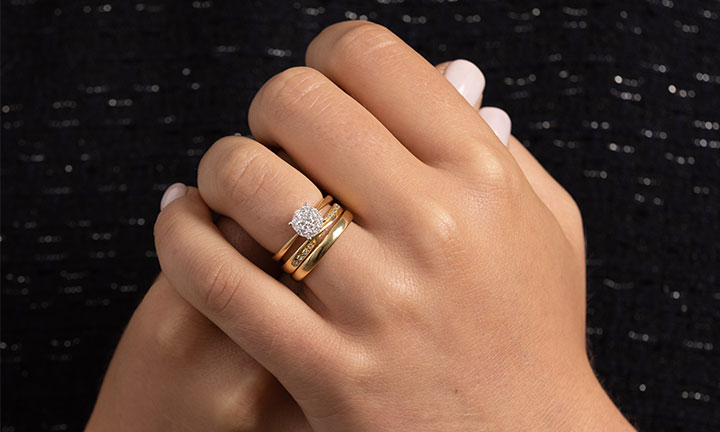

An engagement ring can carry far more meaning when its design reflects the person who will wear it. That is the main appeal of custom made engagement rings: instead of choosing a finished design exactly as displayed, buyers can shape important details around personal taste, lifestyle, diamond preference, and budget.
For couples in Malaysia, customisation can be especially useful when standard jewellery collections come close to the desired look but do not quite match it. A buyer might love a particular diamond shape but prefer a different band width, setting height, metal, or arrangement of accent stones.
The goal of custom design is not simply to make a ring look unusual. A well-planned custom engagement ring should feel intentional, balanced, wearable, and suited to the person receiving it.
What Makes a Custom Engagement Ring Different?
A ready-made ring is designed before the buyer selects it. A custom ring reverses that process by allowing key elements to be chosen or adjusted around individual preferences.
Depending on the jeweller and design process, customisation may involve the centre diamond, setting style, precious metal, band shape, side stones, proportions, or finer design details.
This flexibility is valuable because engagement rings are highly visual. Two rings containing diamonds of similar carat weight can look very different once the setting, band thickness, diamond shape, and overall proportions change.
Buyers researching custom made engagement rings can therefore benefit from thinking about the ring as a complete design rather than treating the diamond and setting as unrelated purchases.
Start With the Person, Not the Jewellery Trend
Current jewellery styles can provide inspiration, but an engagement ring is generally worn for much longer than a trend remains fashionable.
Before choosing design details, consider how the recipient normally dresses and what jewellery they already wear. Someone who prefers understated accessories may feel more comfortable with a clean solitaire design. A person who enjoys decorative jewellery may prefer pavé detailing, a halo, side stones, or a more distinctive band.
Lifestyle also matters. A high-profile setting may create a dramatic appearance, but it may be less practical for someone who works frequently with their hands. Lower or more protected settings can sometimes provide a more practical everyday option.
A successful custom design balances visual preference with real-world wearability.
Choosing the Centre Diamond
The centre stone usually has the strongest influence on the ring’s overall appearance. Buyers should consider more than carat weight alone.
Diamond Shape Changes the Character of the Ring
Round diamonds are associated with a classic, brilliant appearance, while oval, pear, emerald, cushion, radiant, and marquise shapes each create a different visual effect.
Elongated shapes such as oval, pear, and marquise diamonds may create a longer appearance across the finger. Emerald-cut diamonds have broad, step-like facets and a more structured look. Cushion and radiant shapes can offer softer or more angular interpretations depending on the individual stone.
There is no universally correct shape. The better choice is the one that suits the intended design and the wearer’s taste.
Carat Weight Does Not Tell the Whole Story
Carat measures diamond weight, not visible size.
Two diamonds with the same carat weight may face up lab created diamonds because their dimensions and proportions are not identical. Buyers comparing stones should therefore look at measurements as well as carat weight.
This is particularly relevant in custom design because the centre stone needs to work visually with the setting. A wider or longer diamond may require different proportions in the band or supporting structure.
Lab-Grown Diamonds and Custom Ring Design
Lab-grown diamonds can be used in the same broad categories of engagement ring designs as mined diamonds. They are available in popular shapes, carat weights, colour grades, and clarity grades, giving buyers considerable flexibility when planning a personalised ring.
For buyers considering a lab-grown diamond, grading documentation should still form part of the selection process. A grading report helps describe key characteristics of an individual diamond and makes it easier to compare options using consistent information.
However, buyers should not rely on the report alone. Appearance also matters. The way a diamond handles light, its proportions, and how it looks in the chosen setting all contribute to the final ring.
Which Setting Works Best?
The setting affects both the ring’s appearance and the way the centre stone is presented.
| Setting | Visual Effect | May Suit Buyers Who Prefer |
|---|---|---|
| Solitaire | Clean focus on one centre stone | Minimal, classic designs |
| Halo | Added visual detail around the centre | More decorative styling |
| Pavé | Small diamonds along the band | Extra sparkle across the ring |
| Three-stone | Centre stone with two side stones | Balanced, symbolic designs |
| Bezel-style | Metal surrounds more of the stone | Sleek or protected designs |
A setting should also be evaluated for maintenance and everyday wear. Designs with more small stones or intricate detailing may require more attention than simpler styles.
Metal Choice Affects More Than Colour
Precious metal changes the visual tone of an engagement ring and can influence how the diamond appears within the design.
White metals create a cool, neutral look and are often paired with contemporary or classic diamond settings. Yellow gold offers a warmer appearance, while rose-toned metals can create a softer visual effect.
Rather than choosing metal only from photographs, consider jewellery the recipient already wears. Matching an existing preference can make the engagement ring feel more natural within their everyday collection.
The setting design, metal choice, and centre stone should also be considered together. A successful custom ring usually feels visually balanced rather than assembled from separate decisions.
Where Should the Budget Go?
Customisation does not mean every feature needs to be elaborate.
A useful approach is to decide which elements matter most before allocating the budget. One buyer may care primarily about the centre diamond. Another may prioritise detailed craftsmanship or a distinctive setting.
Consider spending priorities across areas such as:
- centre diamond characteristics
- ring setting complexity
- metal selection
- accent diamonds
- custom design work
- future resizing or maintenance needs
This keeps the design focused. Adding more details does not automatically create a better ring.
Avoid Designing Only for the Initial Impression
Some rings look striking in a close-up image but may not suit daily wear. Before approving a custom design, think about how it will function after the proposal.
Consider whether the ring catches easily on clothing, how exposed the centre stone appears, whether a wedding band can sit comfortably alongside it, and how difficult the design may be to clean.
These practical details are easy to overlook during the design stage but can affect long-term satisfaction.
Customisation Works Best When Every Detail Has a Reason
The strongest personalised rings are rarely the ones containing the most design elements. They are the ones where the details work together.
A particular diamond shape may reflect the recipient’s style. A lower setting may fit an active routine. A plain band may allow an unusual centre stone to remain the focus. Small design decisions can create a ring that feels personal without becoming complicated.
For shoppers in Malaysia, novitadiamonds.com.my can be considered within the broader research process for lab-grown diamond jewellery and personalised engagement ring options. The most useful approach is still to compare diamond characteristics, settings, craftsmanship, documentation, and design suitability before making a final decision.