
A diamond buyer may spend hours weighing the pros and cons of carats, colour and clarity, but rarely do they consider how a lab-grown stone is produced. However, the difference between diamond growth methods might be relevant to you nevertheless, as you compare grading reports, visual appeal, and how the stone will look in a particular ring style.
The HPHT stands for High Pressure High Temperature, and it is one of the two main methods of producing gem-quality lab diamonds, with the other being Chemical Vapour Deposition, or CVD for short.
For an Australian buyer seeking an engagement ring or any type of fine jewellery, the important consideration is not which method is scientifically superior. Rather, it is about the quality of the finished product and how it will look in gold or platinum jewellery.
What Actually Happens During HPHT Diamond Growth?
The HPHT process mimics the natural conditions under which diamonds can form. A small diamond seed is placed in specialized equipment together with a carbon source. Under controlled conditions, carbon crystallizes around the seed and forms diamond material.
The resulting rough diamond is then cut and polished in the same way as other diamonds.
HPHT is therefore a growth method, not a diamond shape, quality grade or jewellery style. Two HPHT stones may well be very different from each other in terms of cut quality, clarity, colour and proportions.
It is important to note that buyers sometimes treat the growth process as a quality grade. We think it is more informative to assess the individual stone based on its measurable characteristics.
Does HPHT Affect How a Diamond Looks?
A properly cut HPHT diamond can adequately display the brilliance, fire, and scintillation that diamond jewelry buyers expect. The visual performance of a finished diamond is largely dictated by the precision of its proportions.
While the overall quality of a round brilliant is determined by its cut, the shape of the stone also plays a part. For instance, elongated diamonds such as oval, pear, and emerald cuts require a keen eye for detail when it comes to symmetry and darkness. Besides the cut, buyers would still need to consider the diamond’s color and clarity.
A higher level of clarity does not always guarantee value for money if the imperfections are only visible under a loupe. Similarly, one would not notice the difference between a lower and higher color grade if the jewelry piece is going to be placed in yellow or rose gold.
This is an advantage to the buyer, as it allows them to invest more in the cut, carat weight, or setting of the jewelry piece.
HPHT Diamonds and Gold: The Setting Changes the Buying Decision
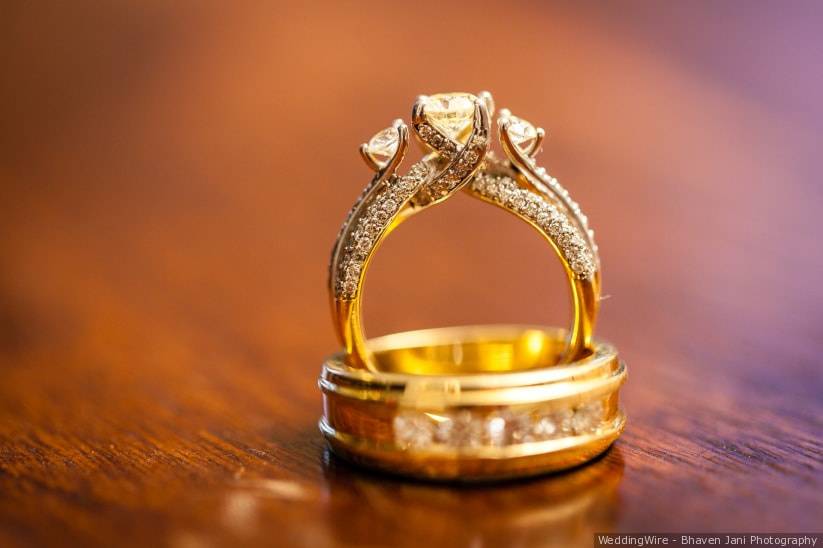
Gold colour can influence how a diamond appears once it is mounted.
Yellow Gold
The combination of yellow gold and a white or near-white diamond produces interesting contrast. As the shank of the ring is warm and golden, the buyer will tend to choose less saturated diamonds for the ring.
A traditional approach to the design of such a ring would be to use white gold for prongs while leaving the shank in the yellow gold. Doing so will leave the areas around the diamond visually neutralised, thus preventing the yellow gold from overpowering the colour of the stone.
White Gold
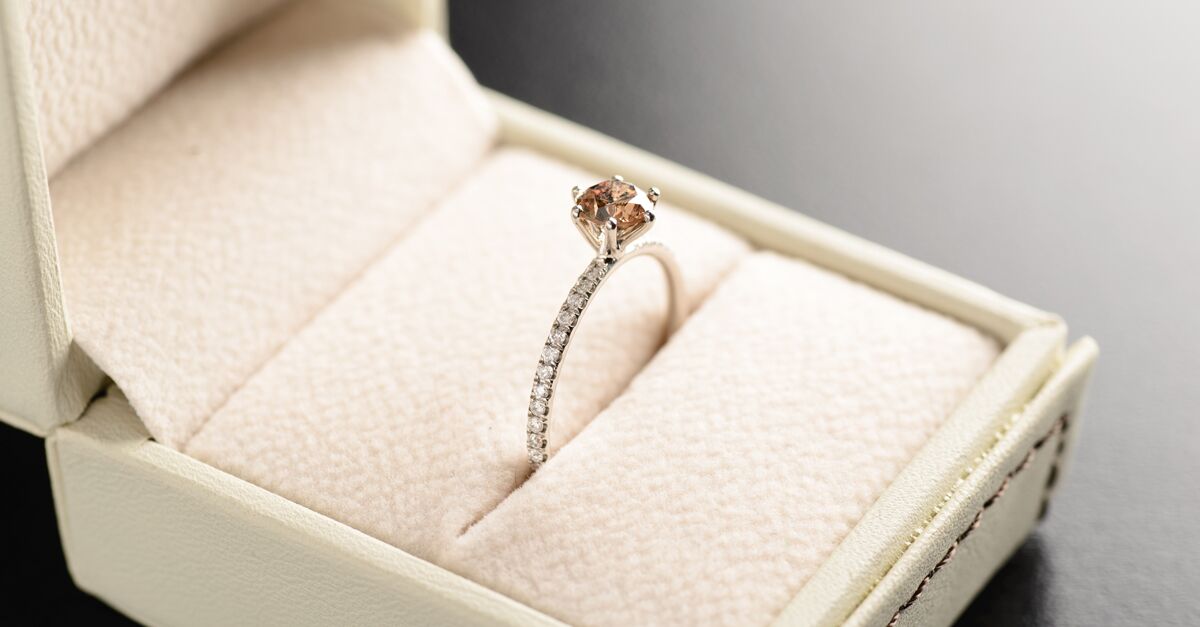
White gold provides a bright and neutral background that complements diamonds. Since the metal surrounding the stone is pale, differences in diamond colour grades could sometimes be more noticeable than in yellow gold.
White gold jewellery usually needs a rhodium finish to achieve its bright white effect. This finish may need renewal as the ring is worn.
Rose Gold
Rose gold adds a warm pinkish hue to the mix, so it looks beautiful for people who don’t want a dramatic difference between the band and the gemstone.
Like yellow gold, it creates a warm-looking ring in which the difference between almost-colorless diamonds is less noticeable. The shape of the stone, the setting in which it is held and the amount of metal surrounding it also affect the reflection.
14k or 18k Gold for an HPHT Engagement Ring?
Gold purity affects both colour and physical properties.
| Gold Choice | Practical Characteristic | Useful For |
|---|---|---|
| 14k gold | Contains a greater proportion of alloy metals | Buyers prioritising everyday wear and durability |
| 18k gold | Contains a higher proportion of pure gold | Buyers who prefer richer gold colour and higher gold content |
Neither choice is automatically correct for every ring.
An engagement ring worn every day has different practical demands from occasional jewellery. Thin bands, pavé shoulders and delicate prongs also place different stresses on the metal than a heavier solitaire design.
The quality of the ring’s construction matters alongside gold purity.
Compare the Diamond Certificate, Not Just the Growth Method
A grading report helps buyers compare diamonds using documented characteristics rather than product descriptions alone.
Useful details include:
- carat weight
- colour grade
- clarity grade
- measurements
- proportions
- polish
- symmetry
- growth method and relevant comments
Buyers researching lab diamonds hpht can use these details to compare individual stones instead of assuming that all diamonds produced through the same process will perform identically.
For online purchases in Australia, it is also sensible to confirm that the grading report number matches the diamond being offered.
Should HPHT or CVD Matter More to the Buyer?
HPHT and CVD use different technological processes, but growth method alone does not tell you which finished diamond is more attractive.
A carefully selected HPHT stone can be man made diamonds to a poorly cut CVD stone, and the reverse is equally possible.
Rather than making the manufacturing method the first filter, compare:
Cut and proportions. Light performance has a major influence on the visual character of the diamond.
Visible clarity. Consider whether inclusions affect appearance rather than paying automatically for a higher grade.
Colour in the intended metal. A diamond that looks suitable in yellow gold may not appear exactly the same beside white metal.
Shape quality. Fancy shapes need individual visual assessment because two stones with similar grading information can have noticeably different outlines.
Grading documentation. A recognised independent report makes comparison easier and provides information about the stone being purchased.
Match the Diamond to the Setting Before Ordering
Diamond selection should not be considered independently from the ring style.
A big round solitaire, for example, will look better with broad and strong prongs and a proportional band. An oval or pear-shaped diamond will need special attention to the placement of prongs around the fragile corners. A bezel allows to enclose the gemstone securely but it significantly alters the appearance of the ring.
Another important consideration is the color of gold. If the buyer intends to stack the engagement and wedding rings, they should pay special attention to the color of gold, the height of the band, and its overall shape.
It is possible to mix different metals but only if the buyer wants to make a conscious decision about it. Those who prefer a monolithic style should make sure that the color and, ideally, the karat of gold are the same in both rings.
The question of ring size is especially relevant for the Australians who shop online. In case of a wrong size, it might be impossible to resize a ring with pave’ settings or other intricate patterns. It is better to clarify the details before making a purchase.
The most important advice concerns the relationship between a diamond and the ring. Even though the diamond growing technology influences the appearance and quality of a gemstone, the cut, grading, and setting will define the ring as a whole. Therefore, one should pay close attention to every detail, considering both technical and aesthetic aspects.