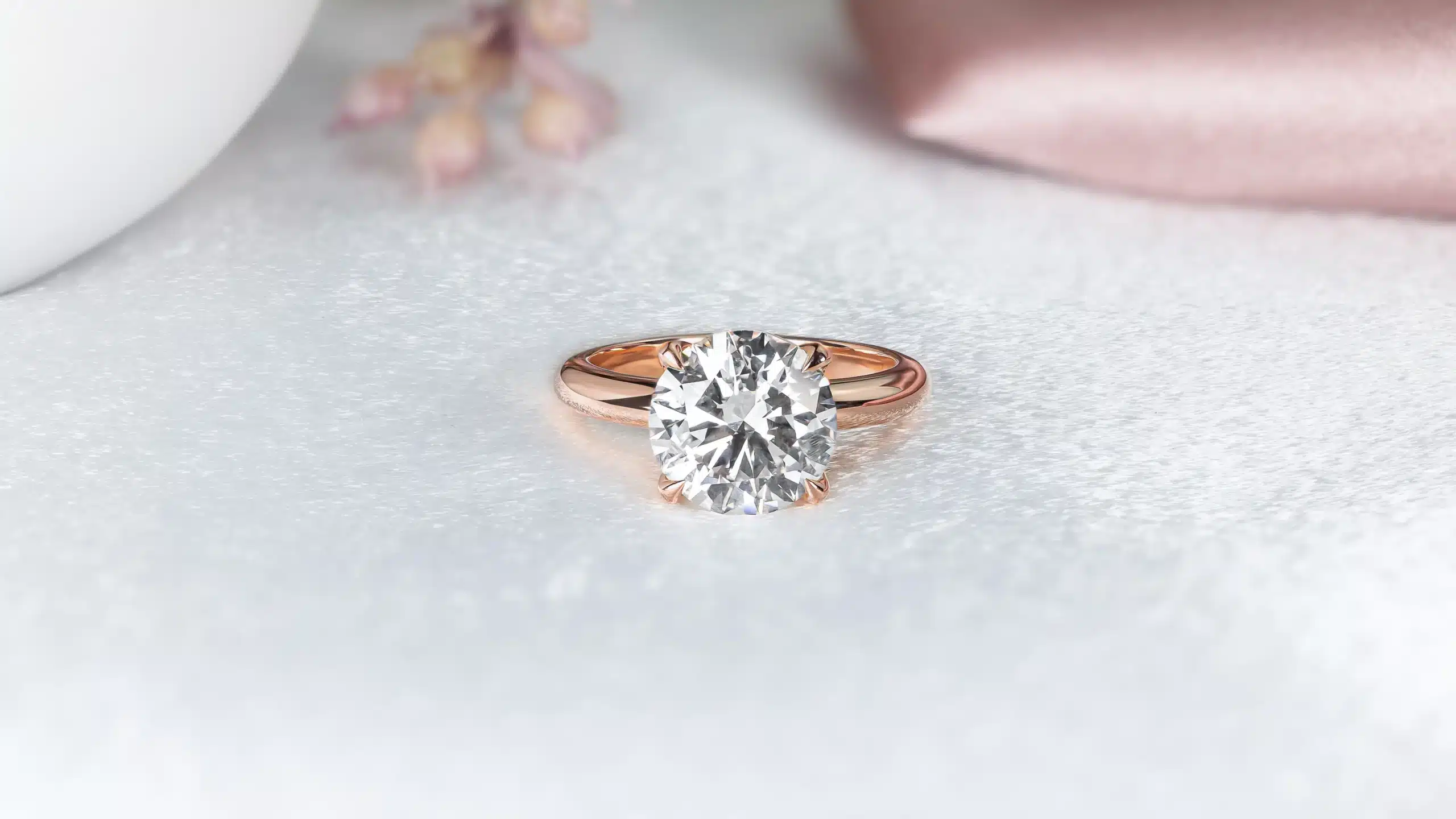

Choosing a diamond is easier when you know which details genuinely affect beauty, quality and long-term wear. For UK shoppers looking to buy lab made diamonds, the most useful approach is to compare the same core characteristics used to assess other fine diamonds: cut quality, colour, clarity, carat weight, grading documentation and how the stone will look in its intended jewellery setting.
Lab-grown diamonds offer buyers another way to choose a real diamond without relying solely on mined stones. Their appeal is especially relevant for engagement rings, wedding jewellery and other pieces where buyers may want greater flexibility around size, design and budget.
What Exactly Is a Lab-Grown Diamond?
A lab-grown diamond is created in a controlled environment using processes designed to reproduce the conditions needed for diamond crystal growth.
It has the same fundamental diamond material as a naturally formed diamond. This distinguishes lab-created diamonds from diamond simulants such as cubic zirconia or moissanite, which are different materials.
For buyers, that distinction matters. A lab-grown diamond can be evaluated for characteristics such as cut, colour, clarity and carat weight, and individual stones may be accompanied by independent grading reports.
The choice between mined and laboratory-grown diamonds is therefore less about whether one is a “real diamond” and more about origin, price structure, personal priorities and the type of jewellery being purchased.
Start With Cut Rather Than Carat Weight
Carat weight receives plenty of attention, but it does not tell you how attractive a diamond will look.
Cut has a major influence on how effectively a faceted diamond handles light. Two stones with similar carat weights can appear noticeably different because of their proportions, shape, cutting quality and visible dimensions.
For round brilliant diamonds, buyers often focus strongly on light return and balanced proportions. Fancy shapes such as oval, pear, emerald, cushion and radiant cuts require a broader visual assessment because appearance can vary considerably between individual stones.
Do not choose a diamond simply because the carat number is larger. Look at the complete stone.
Carat Weight and Visible Size Are Not the Same
Carat measures weight rather than face-up dimensions.
A diamond carrying more of its weight below the surface may not appear as large from above as another stone of similar weight with different proportions. Shape also affects perceived size.
An elongated oval, pear or marquise diamond, for example, can create a different visual impression from a round stone of comparable weight.
This makes dimensions useful when comparing candidates. Buyers researching where to buy lab made diamonds can benefit from comparing carat weight alongside measurements, shape and overall proportions rather than treating carat as an isolated quality indicator.
How Much Colour and Clarity Do You Need?
Higher grades are not automatically the best purchase for every buyer.
Diamond colour describes the presence or absence of noticeable body colour within the grading system used for the stone. The practical question is how the diamond actually appears once mounted.
Metal choice can influence perception. A stone set in platinum or white gold may be viewed differently from one surrounded by yellow or rose gold.
Clarity considers internal characteristics and surface features. Buyers often gain more practical value by asking whether inclusions are visible during normal viewing than by pursuing an extremely high clarity grade purely on paper.
A sensible comparison therefore considers:
- whether inclusions can be seen without magnification;
- whether they affect the appearance of the stone;
- where noticeable characteristics are positioned;
- how colour looks in the chosen setting and metal;
- whether paying for a higher grade creates a visible improvement.
The goal is not necessarily to obtain the highest specifications. It is to find a balanced diamond whose qualities support the appearance you want.
Why Independent Grading Matters
A grading report gives buyers a structured way to lab created diamonds an individual diamond.
Depending on the laboratory and report, documented characteristics may include carat weight, colour, clarity, measurements and other grading information. The report also helps distinguish objective grading information from a retailer’s product description.
Before purchasing, check that the report corresponds to the actual stone being considered.
Certification should not replace visual judgement, though. Two diamonds carrying similar grades can still differ in appearance because proportions, facet arrangement and shape characteristics influence how they look.
Match the Diamond to the Setting
A good diamond can look quite different depending on the ring around it.
Solitaire settings keep attention on the centre stone and work well when the buyer wants the diamond’s outline to remain prominent. Halo settings add smaller stones around the centre and can produce a more detailed appearance.
Pavé designs introduce additional sparkle along the band, while bezel settings surround more of the diamond’s perimeter with metal and create a distinctive, secure-looking profile.
Prong design also matters for everyday jewellery. The setting should hold the diamond securely without unnecessarily covering its shape.
The correct choice depends on lifestyle as much as style. Someone who regularly works with their hands may judge a high-profile engagement ring differently from someone comfortable wearing a more prominent setting.
Compare Shape Before Increasing Your Budget
Diamond shape can change the entire character of a ring without requiring a higher grade.
Round diamonds usually deliver a classic, symmetrical appearance. Oval shapes provide a softer elongated outline. Emerald cuts emphasise broad, step-like facets rather than the sparkle pattern associated with brilliant-style cuts.
Cushion diamonds can vary from soft and romantic to more contemporary depending on their outline and facet arrangement. Radiant cuts combine an angular profile with lively faceting.
There is no universally superior shape. Personal preference, finger coverage, setting design and desired sparkle pattern are more useful deciding factors.
What UK Buyers Should Check Before Ordering
Before committing to a diamond, compare more than the headline specifications.
Confirm the stone’s grading information, measurements and shape. Look closely at images or video where available, particularly for fancy-shaped stones where individual appearance can vary significantly.
Review the jewellery specifications as well. Precious-metal choice, setting construction, ring profile and craftsmanship all influence how the finished piece feels and wears.
For shoppers comparing specialist UK retailers such as novitadiamonds.co.uk, product selection should ultimately be judged stone by stone rather than from broad claims about a diamond category.
A strong purchase decision comes from balancing visible beauty with documented quality. If one diamond has marginally higher grades but another offers better proportions, a more appealing shape and a setting that suits the wearer’s lifestyle, the second may be the more satisfying choice.